Institute for Public Health Innovation (IPHI) Logo

The Prince George’s County Food Equity Council and Washington Gas Unveil Cold Storage Trailers to Ensure Fresh Food is Available to Those in Need 

FOR IMMEDIATE RELEASE – June 30, 2023
For More Information, Contact:

Institute for Public Health Innovation
Communications Director Taya Jarman, APR
[email protected]

Washington Gas
Strategic Communications Director Andre Francis
[email protected]

Two refrigerated trailers will increase food storage capacity, reduce food waste, and support sustainable infrastructure to respond to food system disruptions.  

Prince George’s County, MD — On Friday, June 30, the Prince George’s County Food Equity Council (FEC), an Institute for Public Health Innovation (IPHI) initiative, and Washington Gas introduced two new cold storage trailers in Calverton and Laurel, MD. The partnership purchased, upgraded, and designed a wrap for the refrigerated trailers that will enable food assistance providers and food pantries to distribute more fresh food to residents in need.

This project builds on the success of a similar project and partnership that, via funding from Washington Gas, brought three trailers to county-based non-profit organizations in 2021. Seeing the impact and success of this work, Washington Gas was eager to continue these important investments.

“We applaud our partners at the Prince George’s County Food Council for their innovative approach of adding cold food storage capacity to better meet the critical needs of our community,” said Blue Jenkins, President of Washington Gas. “We began this partnership in 2021 because of the on-going food insecurity needs throughout the region and found it fitting to continue being a part of such a spectacular initiative. We are proud to be a part of the solution, along with other funders, non-profit partners, and local and state governments.”

At least four neighboring organizations will share the two new 48-foot trailers. Participating organizations will work together to purchase perishable foods like fruits, vegetables, and dairy stored in the shared refrigerated space. The trailers create an opportunity to distribute fresh and healthy food to underserved and vulnerable families. The new space helps increase the amount of food that can be stored and distributed while reducing the amount of perishable food wasted due to insufficient cold storage space. 

“In addition to addressing the growing trend of food insecurity, this project serves as a proof of concept for future innovative food system infrastructure projects,” said IPHI President and CEO Michael Rhein. The two non-profit partners consider the project a way to strengthen their capabilities and build a better safety-net system for local clients. Rhein added, “We will continue to work with partners to share best practices, develop additional cold storage solutions, and increase the distribution of healthy, fresh food in Prince George’s County.”

Although food insecurity skyrocketed three years ago when the pandemic started, county residents are still struggling. Fluctuating food prices and cuts to pandemic-era emergency allotment have continued to strain food pantries throughout the county. Food pantries are distributing more food and serving more clients than prior to the pandemic, which calls for more food and infrastructure to distribute food. 

Washington Gas will continue its support of the immediate and long-term food security needs, part of the company’s wider giving strategy supporting social service organizations throughout the region. Funding for this project went towards purchasing and upgrading the two trailers at Kingdom Fellowship AME Church and the Tabernacle Church of Laurel. Funding was also used to hire Whitney Frazier of WGF Studio, a local artist who designed and painted the outside of the trailers. 

###


About the Prince George’s County Food Equity Council: 

The Prince George’s County Food Equity Council (FEC) is a local food policy council that works to help residents grow, sell, and choose healthy foods. Since 2013, FEC has been a voice for county residents at the policymaking table. The FEC focuses on systematic and sustainable changes to promote health, economic opportunity, food security, and well-being in Prince George’s by advocating for policy that creates a more equitable local food system. The FEC is housed within the Institute for Public Health Innovation. For more information on FEC, visit www.pgcfec.org and follow FEC on Twitter, Instagram, and Facebook | @pgcfec. 

About Washington Gas

Washington Gas, a wholly owned subsidiary of AltaGas Ltd [TSX:ALA], is a regulated natural gas utility that provides safe, reliable natural gas service to more than 1.2 million customers in the District of Columbia, Maryland and Virginia. The company has been providing energy to residential, commercial and industrial customers for almost 175 years. Learn more at www.washingtongas.com. Follow us on Twitter, LinkedIn, and Facebook.

About Institute for Public Health Innovation (IPHI)

IPHI develops multi-sector partnerships and innovative solutions to improve the public’s health and well-being across the District of Columbia, Maryland, and Virginia. IPHI’s work strengthens health systems and policy, enhances conditions that promote health, and builds community capacity to ensure equitable health opportunities. Nationally, IPHI is one of over 40 public health institutes and a member of the National Network of Public Health Institutes. For more information about IPHI, visit: www.institutephi.org and follow IPHI on LinkedIn, Facebook, Twitter, and Instagram | @InstitutePHI.


Celebrating Excellence in Nursing: IPHI’s Carolyn Padovano, PhD, RN, FAAN Inducted into the American Academy of Nursing 2023 Class of Fellows

The American Academy of Nursing (Academy) celebrates its 50th anniversary by inducting 253 distinguished nurse leaders into the 2023 Class of Fellows.

These accomplished individuals represent 40 states, the District of Columbia, and 13 countries, showcasing the broad impact of nursing across various roles and settings. Among the esteemed Fellows is Senior Director Carolyn Padovano, PhD, RN, FAAN, recognized as a District of Columbia Fellow. This prestigious acknowledgment highlights Carolyn’s significant contributions to nursing and healthcare, reflecting her commitment to driving positive change.

The induction ceremony will take place during the Academy’s annual Health Policy Conference, scheduled for October 5–7, 2023, in Washington, DC. The conference theme, “Celebrating 50 Years of Leadership, Policy, and Partnership,” sets the stage for recognizing the remarkable impact of these Fellows on health and healthcare.

To learn more about the accomplished 2023 Class of Fellows, please refer to the official press release: American Academy of Nursing Announces the 2023 Class of New Fellows

Opinion: Knowing MS signs can speed diagnosis and treatment

By Taya Jarman

In the fall of 2002, I woke up in my Christopher Newport University dorm with blinding pain in my temples. The pain was so acute that it caused partial vision loss. I visited four doctors within a week to determine why I had excruciating headaches and had to hold my temples to look out of my periphery.   

My parents joined me an hour from home for a series of tests, including an MRI. While we waited days for the results, I was alone at school navigating coursework and debilitating discomfort. Frightened and anxious, I braced myself for the diagnosis. Short-term: optical neuritis. Long-term: multiple sclerosis.  

I was 20 years old. No cure. Possibly a lifetime disability.  

In simple terms, MS is a chronic and unpredictable disease that affects the central nervous system. It can cause a wide range of symptoms, including fatigue, numbness or tingling, muscle weakness, vision problems, and difficulty with coordination and balance.  

From personal experience, it can also cause a wide range of fears before and after diagnosis.   

After hearing the news, my dreams and inspirations of building a family and career were replaced with visions of disability and mobility challenges. But shortly afterward, my vision returned, and I started a treatment program with a local neurologist. I’m grateful that my nightmares never came true. Twenty years after my diagnosis, I’m a wife, mom to two young boys, a successful public relations professional, and recently completed a 10k.  

I’m proof that early detection and treatment are keys to living a full and fantastic life, even with MS.  

Today, I am committed to raising awareness about MS and helping to find a cure. It’s important that people know the warning signs of MS and understand that a diagnosis doesn’t define them. I’m privileged that I can bridge my personal and professional passions as a public health communicator. I’m committed to reducing health disparities to raise awareness about a disease that’s affected my life.  

Here are some common symptoms you should know about MS: fatigue, numbness and tingling, loss of balance, stiffness or spasms, tremors, bladder problems, bowel troubles, and vision issues. If you’re experiencing any of these symptoms, talk to a doctor. If you don’t have insurance, please seek out a free clinic or a federally qualified health center.  

Unfortunately, some  people don’t have access to health resources or ignore MS warning signs, especially in rural communities. My colleagues and I at the Institute for Public Health Innovation, a nonprofit that develops multi-sector partnerships and innovative solutions to improve the public’s health, are working to change that. 

Our three-year project funded by the Bristol Myers Squibb Foundation is improving access to diagnostic and support resources for rural populations with MS in Virginia, West Virginia, Maryland, and North Carolina. This work includes educating and training non-specialty providers about MS symptoms and increasing public awareness about MS and its treatment options. We’re meeting people where they are as we participate in local community events. We’re also partnering with established programs like mobile health units. 

According to research, people with MS are at a higher risk of developing mental health symptoms like depression and anxiety and face higher unemployment rates. But when people are diagnosed early, they can take medications to slow the progression and manage symptoms. In addition, people living with MS report higher satisfaction when they are treated by a specialist familiar with MS and are more likely to be offered a disease-modifying therapist.  

Our efforts are helping more people in rural communities understand MS and access treatment. As awareness spreads, I’m hopeful more individuals – no matter where they live – will advocate for themselves, get screened, and seek treatment.  

Taya Jarman, APR is the communications director at IPHI. She can be reached at [email protected].


This op-ed was also reported by:

Institute for Public Health Innovation Earns Maryland Accreditation for Community Health Worker Training Program

FOR IMMEDIATE RELEASE – April 24, 2023
For More Information, Contact:
Communications Director Taya Jarman, APR
202-747-3541       [email protected]

Largo, MD — The Institute for Public Health Innovation (IPHI) is pleased to announce that its Community Health Worker (CHW) Core Skills Training Program is accredited by the Maryland Department of Health. The CHW training program increases access to care, improves public health emergency response, and addresses under-resourced communities’ unmet needs by enhancing CHWs’ skills and knowledge. CHWs are frontline public health workers who are trusted members of their communities. Through shared experiences of race, ethnicity, socio-economic status, or other attributes, CHWs work to connect individuals and families to essential health and social resources.

IPHI completed a rigorous review process that validated its long-standing training program and outlined training objectives. The CHW Core Skills Training Program was approved by Maryland Secretary of Health Laura Herrera Scott, MD, MPH and Maryland Department of Health Office of Population Health Improvement Director Kimberly Hiner. The training program was also vetted by The Maryland CHW Training Accreditation Program Review Committee. This designation is effective for three years.

“This achievement reflects the dedication and hard work of our team in developing and refining a top-notch comprehensive training program over the past 12 years,” said IPHI President and CEO Michael E. Rhein. “First and foremost, we have always followed best practices in adult learning and listened to our trainees regarding what’s most effective in helping them learn and prepare for the CHW profession.” The Maryland Department of Health accreditation is the second IPHI accreditation. IPHI was first accredited by the Virginia Department of Health in 2022. Since 2011, IPHI has trained 1,150 CHWs, mostly CHWs living and working throughout the District of Columbia, Maryland, and Virginia.

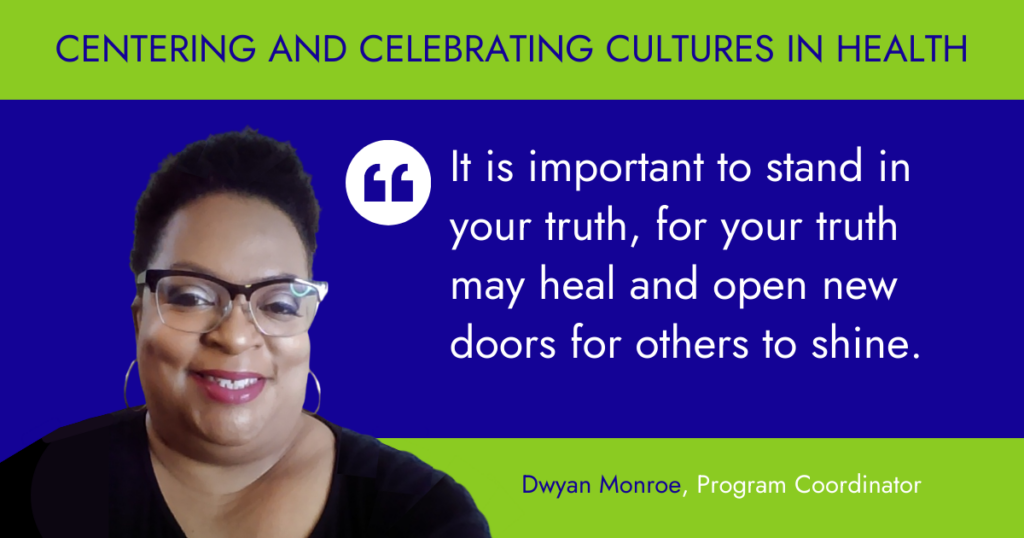
Dwyan Monroe, IPHI Program Coordinator said, “We are committed to training and empowering the next generation of community health workers.” The CHW Core Skills Training Program is just one of the many initiatives IPHI has undertaken to build a healthier and more resilient community. Monroe added, “We are assured that this designation will further validate our training program. Trained CHWs will improve confidence when hiring and integrating CHWs in local organizations. This will improve health outcomes in the community, which is a win for our region.”

For more information on IPHI’s latest focus areas, services, and initiatives, visit www.institutephi.org.

###


About Institute for Public Health Innovation (IPHI)

IPHI develops multi-sector partnerships and innovative solutions to improve the public’s health and well-being across the District of Columbia, Maryland, and Virginia. IPHI’s work strengthens health systems and policy, enhances conditions that promote health, and builds community capacity to ensure equitable health opportunities. Nationally, IPHI is one of over 40 public health institutes and a member of the National Network of Public Health Institutes. For more information about IPHI, visit: www.institutephi.org and follow IPHI on LinkedInFacebookTwitter, and Instagram | @InstitutePHI.

A Shot at Healthy Living

By Rebecca Epstein

Last November, I gave birth to a beautiful baby boy. By his 4-month checkup, he had received vaccines to protect him from six diseases. By this time next year, he’ll have immunity from 14 preventable diseases.

As a new mom and a leader with ImmunizeVA, both are personal and professional priorities for me. ImmunizeVA is a statewide coalition of medical and public health professionals dedicated to raising awareness about the safety of vaccines and immunizations.

April 24-30 is National Infant Immunization Week, a national observance highlighting the importance of protecting children two years and younger from vaccine-preventable diseases. It’s the perfect time to talk about why on-time vaccinations are critical in the fight against potentially life-threatening diseases.

Vaccinations can be scary. But what I find scarier is the thought of my son suffering from the long-term effects of a disease that could have been prevented. I have peace of mind knowing that my son will have the best chance of being protected from a preventable illness. Vaccines are safe and proven to prevent severe illness and death.

The good news is, Virginians are doing a commendable job of getting their COVID-19 vaccine. According to the Virginia Department of Health, about 74% of the population is fully vaccinated with two doses.

When it comes to keeping our kids healthy, we have work to do though. We are noticing downward trends in overall vaccination rates, from COVID-19 to more common vaccines like Tetanus and Hepatitis A and B.

The truth is vaccines help prevent potentially fatal or severe illnesses like measles, mumps, polio and others. They’re really important. In my line of work, I have spoken with survivors of polio. I was particularly struck by hearing a woman describe the experience of seeing her father cry for the first time and understanding it was because he thought she would die. The polio vaccine was considered a miracle. The COVID-19 pandemic reminded us of what it is like to live without the protection of a vaccine.

Every year, the Virginia Department of Health fields an immunization survey to measure compliance with school-required vaccinations. Before the pandemic, Virginia was tracking well, with a school entry vaccination rate of 96.3% in 2018. During the early part of the pandemic in fall 2021, immunization rates dropped to 88.6%. Today, immunization rates are at 89.4%, leaving an estimated 9,500 Virginia kids without protection again measles and other diseases. It’s not hard to see that we have some work to do.

These are not viruses we want in our classrooms or homes, and the decrease in vaccinations has consequences. If everyone is vaccinated, community immunity protects vulnerable members of society who are too old or too sick to get vaccinated. On the other hand, if vaccination rates decline below levels required to maintain community immunity, diseases pass more easily from person to person, and dangerous outbreaks of preventable diseases could follow.

We know pandemic-era disruptions could be the cause of the decreases we’re seeing, in addition to misinformation about vaccines. I understand that researching vaccine information can be overwhelming. I’m not a doctor or a pediatrician. I’m just a mom who wants to see her son grow up in world that’s safe to live and play for many years.

Please talk to pediatricians or trusted healthcare professionals to get the facts. If your child hasn’t been to the doctor during the pandemic and is behind on immunizations, please call a doctor, free clinic or federally qualified health center today. Most vaccines are free with Medicaid and other insurance plans.

Let’s continue to talk about the importance and effectiveness of vaccines with our friends and families. Simple, everyday conversations can help more people feel comfortable and confident to get fully immunized. Together, we can help ensure everyone is healthy in Virginia.

Rebecca Epstein is senior program manager at ImmunizeVA. She can be reached at [email protected].


This op-ed was also reported by:

Regional Public Health Institute Recognizes Community Health Workers During National Public Health Week, April 3-9, 2023

FOR IMMEDIATE RELEASE – April 3, 2023
For More Information, Contact:
Communications Director Taya Jarman, APR
202-747-3541       [email protected]

Washington, DC — As leaders across the country recognize the importance of public health programs during National Public Health Week (NPHW) on April 3-9, the Institute for Public Health Innovation (IPHI) is using the observance to highlight the critical work of community health workers (CHWs) to advance health outcomes in the District of Columbia, Maryland, and Virginia. IPHI – a nonprofit that develops multi-sector partnerships and innovative solutions to improve the public’s health and well-being partners with CHWs to ensure equitable health outcomes in the region.

CHWs are frontline public health workers who are trusted members of their communities. Through shared experiences of race, ethnicity, socio-economic status, health conditions, or other attributes, CHWs work to connect individuals in need of support to healthcare resources. “This week is a great time to recognize our great partners and critical public health ambassadors,” said Michael E. Rhein, IPHI President and CEO. “Community health workers are improving health outcomes and reducing health inequities by working with our communities and helping members one-on-one take charge of their health and navigate resources to help them thrive.”

Studies show that CHWs help reduce barriers to healthcare, improve health knowledge and chronic disease management, and reduce overall medical costs. IPHI estimates there are approximately 300 certified CHWs in the region, and many working towards certification. The CHWs work at healthcare institutions, community housing, and nonprofits that help connect community members with local resources.

IPHI maintains various CHW programs focused on providing training, continuing education opportunities, financial support, and mentorships.

  • Its Community Health Worker Academy is a training institute dedicated to expanding the public health workforce in the District of Columbia, South Maryland, and Northern Virginia.
  • IPHI worked with community partners to create the Community Health Worker Registry, an online hub to connect Virginia’s CHW workforce and share educational and networking opportunities.
  • IPHI also manages a $4.3 million grant from the Centers for Disease Control and Prevention to expand the roles and capacity of CHWs in Virginia and support COVID-19 response and recovery. The CHWs for a Healthy VA program is exploring innovative financing strategies to help build and sustain the CHW workforce long-term.

Rhein added, “These programs are critical in ensuring community members have access and resources. This is a necessary step to achieving equitable health opportunities for all.”

For more information on IPHI’s latest focus areas, services, and initiatives, visit www.institutephi.org.

###


About Institute for Public Health Innovation (IPHI)

IPHI develops multi-sector partnerships and innovative solutions to improve the public’s health and well-being across the District of Columbia, Maryland, and Virginia. IPHI’s work strengthens health systems and policy, enhances conditions that promote health, and builds community capacity to ensure equitable health opportunities. Nationally, IPHI is one of over 40 public health institutes and a member of the National Network of Public Health Institutes. For more information about IPHI, visit: www.institutephi.org and follow IPHI on LinkedInFacebookTwitter, and Instagram | @InstitutePHI.
National Public Health Week 2023

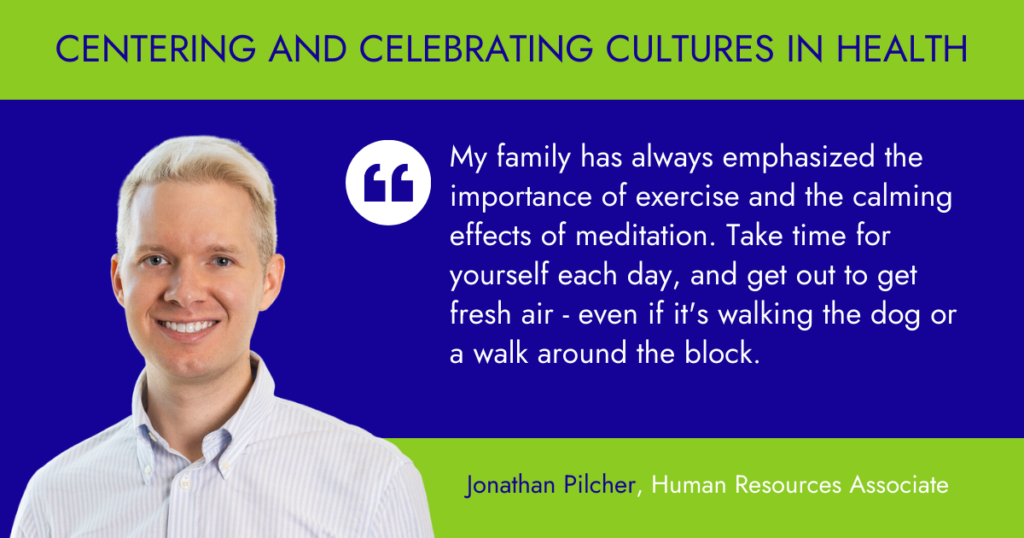
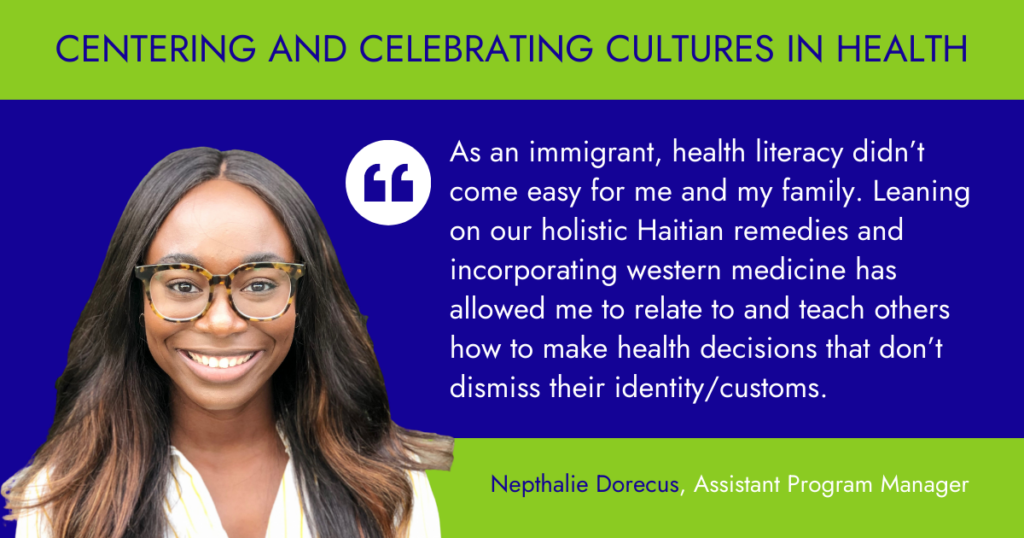
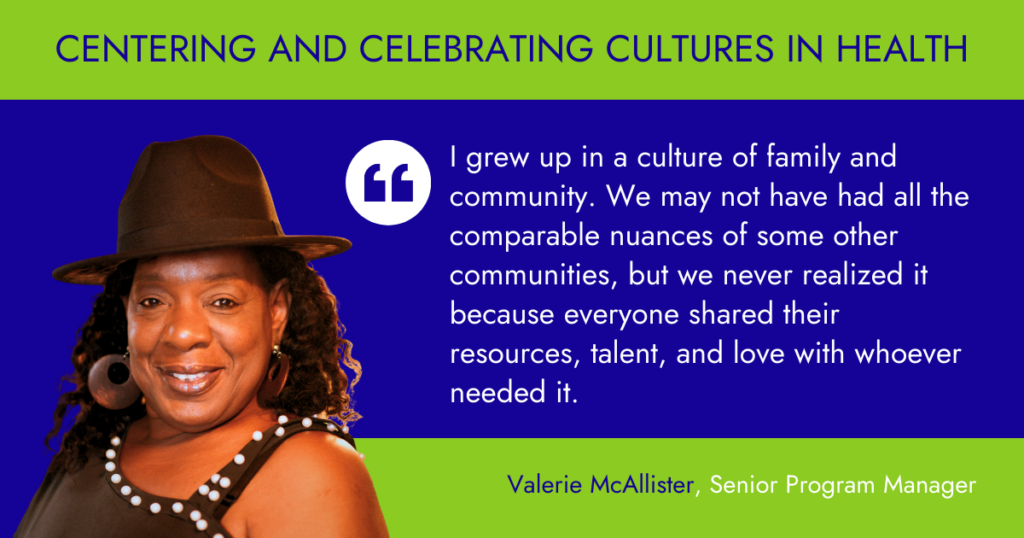
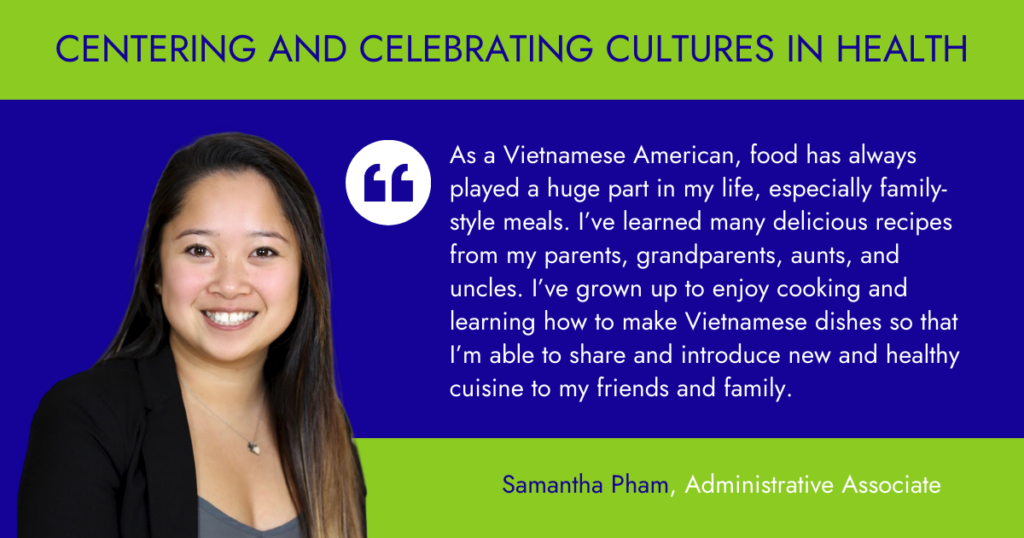
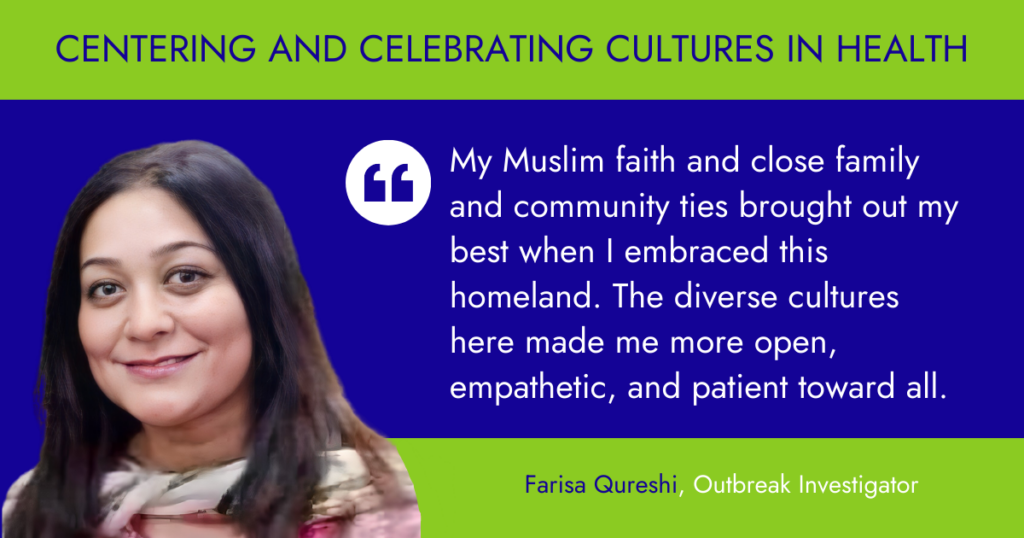
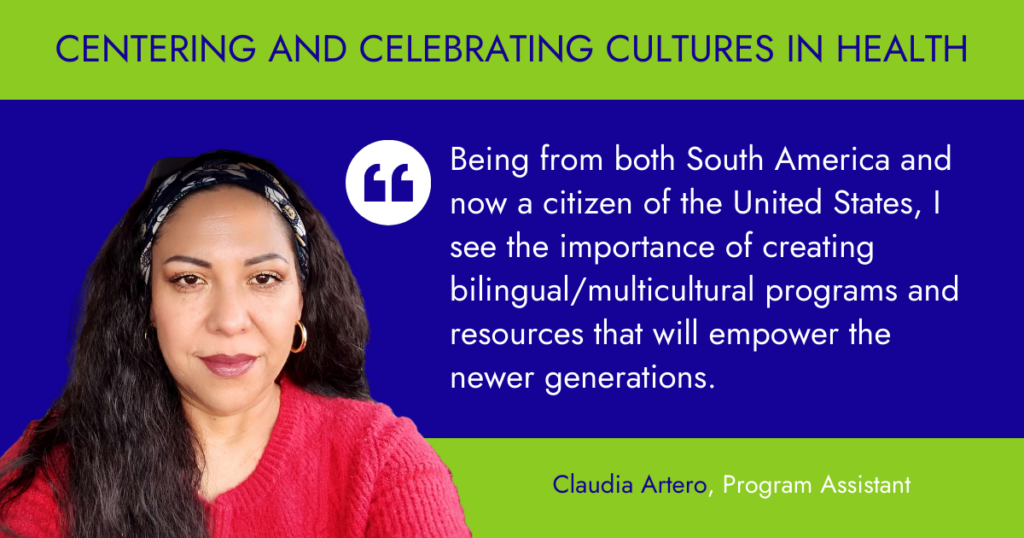
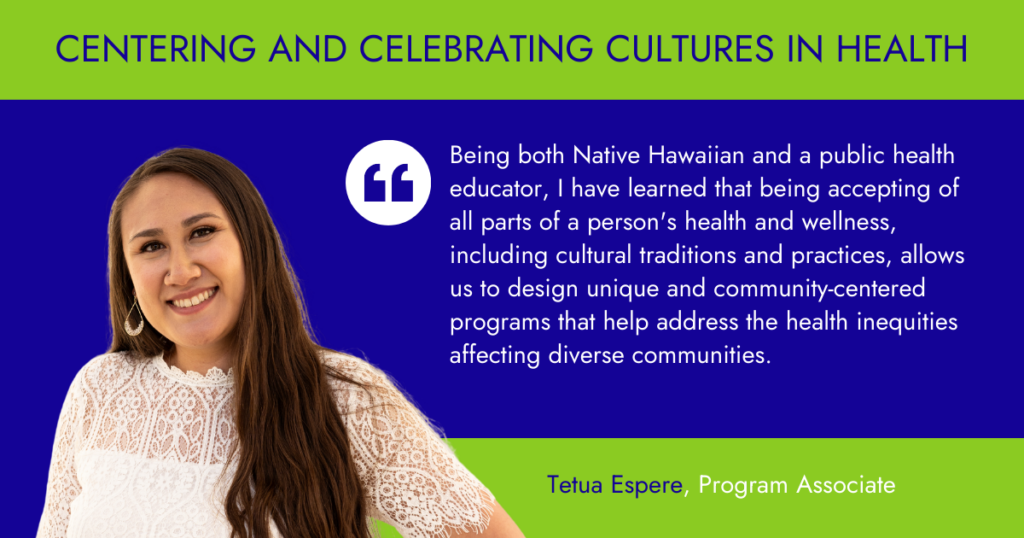
National Public Health Week (NPHW) recognizes and celebrates public health professionals in the nation. April 3-9, 2023, marks the 28th NPHW organized by the American Public Health Association (APHA). This year’s theme is “Centering and Celebrating Cultures in Health.”

IPHI acknowledges community health care needs can vary based on cultures, experiences, and environments. We also recognize the beauty of different cultures and the importance of cultural competence in health care. A culturally competent health care system can help improve health outcomes and quality of care and help eliminate racial and ethnic health disparities.

We invite public health professionals, community organizations, and the community – to celebrate cultures in health this NPHW!

Watch this NPHW WTVR-6 news segment, “Community Health Workers Improving Health in Underserved Communities.”


IPHI Daily Themes

Monday: Community
Tuesday: Accessibility
Wednesday: Mental Health
Thursday: Food and Nutrition
Friday: Rural Health

Visit our social media pages for more information on NPHW 2023 and to explore the different cultures that create the IPHI team, visit.


Monday, April 3 – Community: Community Health Workers (CHWs)

The word “community” holds a lot of power. Community is not only where we are. It’s our connection with others who share similar interests, attitudes, and goals. In short, it’s a sense of togetherness and unity. As the bridge between the health system and underresourced communities, community health workers (CHWs) take community to heart. CHWs typically live in the areas they serve, giving them the unique ability to bring health information where it is needed most. CHWs are not just a part of clinical teams, but they are a critical component of clinical teams. As a recognized leader in developing the CHW workforce, we invite you explore our CHW initiatives.

Read “Community Health Workers: Behind-the-Scenes Community Heroes” by IPHI Senior Program Manager Valerie McAllister. 

Tuesday, April 4 – Accessibility: Equity and Health in All Policies (EHiAP)

Accessibility is crucial in public health because it makes sure that all individuals have equal access to the resources and services that promote their health and wellbeing. When developing policies and practices in health care, sectors indirectly linked to health are often left out of the equation. Doing this, however, limits the health opportunities for everyone in the community. The same way that many factors shape an environment, many factors can shape health outcomes. When access to health services, nutritious food, safe housing, and other essential resources are limited, it can lead to glaring disparities between communities. Equity and Health in All Policies (EHiAP) is a collaborative effort to help local and state governments incorporate health considerations into decisionmaking across all sectors and policy areas. Download our EHiAP framework to see how IPHI provides technical assistance on EHiAP.

Wednesday, April 5 – Mental Health: Mental Health First Aids CHWs Training

Often times mental health is overshadowed by physical health, although it’s just as important. Mental health affects everyone as it involves our emotional, psychological, and social wellbeing. Yet, mental health stigma still persists and deters individuals from seeking help. According to the World Health Association (WHO), the global prevalence of anxiety and depression spiked by 25% in the first year of the COVID19 pandemic. Disruptions in mental health services is one of the contributors that leave huge gaps in care for those who need it most. Prevention, early detection, and treatment of mental health conditions can lead to improved physical and community health. Last year, IPHI hosted our first Mental Health First Aid training for CHWs, conducted by a CDC trainer. Currently, we are working with partners to develop another training to support mental health efforts, which can be expected later this year.

Thursday, April 6 – Nutrition and Food: Prince George’s County Food Equity Council (PGC FEC)

In 2021, 33.8 million people lived in foodinsecure households in the U.S. Food insecurity is a socially rooted and systemic issue that has only grown in prevalence since the COVID19 pandemic. When individuals struggle to meet their basic needs, there is an increased risk of food insecurity. The accessibility and affordability of nutritious food can influence longterm health outcomes, limiting food-insecure households from living healthy and active lives.

Food insecurity is a worldwide public health issue, and addressing it locally is only a starting point. Prince George’s County Food Equity Council (PGC FEC) develops and support policies, approaches, procedures, practices and initiatives that create systemic change in Prince George’s County, Maryland’s local food system. As an incubator and fiscal sponsor, IPHI backs the FEC as a voice for county residents at the policymaking table. Click here to learn more about IPHI’s food systems initiatives.

Friday, April 7 – Rural Health: Rural Multiple Sclerosis (MS) Solutions

Many rural populations experience significant health disparities compared to urban populations. The rural health disparities include geographic isolation, lower socioeconomic status, higher rates of health risk behaviors, limited access to healthcare providers and facilities, and limited job opportunities. In 2022, IPHI expanded its focus to include support for people living with multiple sclerosis (MS) and medical providers in rural areas. Through the Rural MS Solutions initiative, we are able to provide support and resources for individuals with MS who live in rural areas and face unique challenges in accessing healthcare. Our team works to improve access to care, provide education and resources, and engage with community partners to create a supportive network for those affected by MS in rural areas. 

Institute for Public Health Innovation Launches New Website and Brand Refresh

FOR IMMEDIATE RELEASE – March 6, 2023
For More Information, Contact:
Communications Director Taya Jarman, APR
202-747-3541       [email protected]

(Richmond, VA) — The Institute for Public Health Innovation (IPHI) is pleased to announce its new website and brand refresh on March 6, 2023. IPHI is a nonprofit that develops multi-sector partnerships and innovative solutions to improve the public’s health and well-being across the District of Columbia, Maryland, and Virginia. Our work strengthens health systems and policy, enhances conditions that promote health, and builds community capacity to ensure equitable health opportunities for all.

The new site www.institutephi.org, prioritizes accessibility and includes improved navigation and updated copy, emphasizing inclusivity and representation throughout the site. IPHI was started in 2009. Since then, the organization has grown notably in size and industry offerings. To illustrate IPHI’s new expansion, the team worked with Fahrenheit Creative Group, LLC, to enhance the brand and digital footprint.

“Our organization ensures equitable health outcomes and access to resources for all residents throughout the region. Our new website was redesigned with that purpose in mind,” said Michael E. Rhein, IPHI President and CEO. New features include a training catalog, information on regional initiatives, and highlights of IPHI’s broad range of services and focus areas. The website is ADA-compliant and can serve users with various disabilities, including but not limited to people with ADHD, blindness, color blindness, and seizures. IPHI is working with accessiBe, a technology company working to solve the problem of web accessibility through AI, to ensure the site remains accessible to all users.

The brand refresh emphasizes IPHI’s dynamic and growing ambition, building on more than a decade of experience shaping innovative public health practices. Communications Director Taya M. Jarman added, “When developing the site and refreshed marketing materials, it was important that the images reflect our regional community and provide equitable access for all. This refresh and website were designed to reflect our mission and values.”

For more information on IPHI’s latest focus areas, services, and initiatives, visit www.institutephi.org.

###


About Institute for Public Health Innovation (IPHI)

IPHI develops multi-sector partnerships and innovative solutions to improve the public’s health and well-being across the District of Columbia, Maryland, and Virginia. IPHI’s work strengthens health systems and policy, enhances conditions that promote health, and builds community capacity to ensure equitable health opportunities. Nationally, IPHI is one of over 40 public health institutes and a member of the National Network of Public Health Institutes. For more information about IPHI, visit: www.institutephi.org and follow IPHI on LinkedInFacebookTwitter, and Instagram | @InstitutePHI.
Requests for Proposals: Organizational Development Consultant  

Proposal Due By: March 17, 2023

Organizational Background

Founded in 2009, the Institute for Public Health Innovation (IPHI) is the official public health institute serving the District of Columbia, Maryland, and Virginia and one of over 40 such institutes within the National Network of Public Health Institutes (www.nnphi.org). IPHI creates partnerships across sectors and cultivates innovative solutions that improve health and well-being for populations and communities across the region.  With an emphasis on health equity, our work strengthens service systems and public policy; enhances the environments and conditions in which people live, age, work, learn, and play; and builds organizational and community capacity to sustain progress. 

Public health institutes fulfill a unique and important role in their states and communities, serving as cross-cutting non-profit resource organizations that collaborate with various partners to improve community health. Underscoring the need for a public health institute in the region, IPHI has grown rapidly since its creation.  Areas of focus for IPHI’s work include leading coalitions aimed at policy, systems and environmental change; strengthening the public health workforce, and expanding the capacity of government and community organizations for effective public health action, among other priorities. Of particular note, IPHI has played an integral role in the pandemic response in the region, recruiting, training, and deploying over 1,200 public health professionals who have assisted in protecting communities from COVID-19. IPHI currently has 100 staff located across the region and an operating budget of approximately $15M. 


Project Overview and Goals

IPHI is seeking a consultant to assess and enhance its employee experience, business operations, and organizational structure to support continued growth, innovation, and effectiveness. The organization has achieved significant expansion over the past three years and is at a key juncture in its development.  IPHI intends to engage an experienced outside expert to work collaboratively with staff to identify effective aspects of IPHI’s current organizational structure, recommend enhancements, and help implement a forward-facing blueprint for strengthening the company’s teams, roles and internal relationships, and organizational culture, including considerations for decision making, incentive structures, and business processes.   


Scope Of Work

PHASE 1 – Assessment of Current Organizational Structure and Culture:  IPHI would like to learn from its staff how its current organizational structure is serving their needs and the mission and goals of the organization grounded in an equity lens. Internal perspectives will be aligned with effective organizational approaches to highlight opportunities to improve IPHI’s structure, culture, and operations. 

This assessment should include but not limited to:  

  • Methodologies and analyses of IPHI’s organizational structure grounded in relationship to its culture, history, philosophy, and business.
  • Elements for fostering the growth and success of the organization’s structure and culture.
  • Assessing the key dimensions of IPHI’s organizational culture which may include but not limited to: work relationships, productivity, core values, communications, opportunities for growth, worker voice and equity, connection and community and work life harmony. 
  • Factors for addressing barriers to staff needs, organizational growth and development.
  • Benefits and risk to organizational structure change and any potential mitigation strategies.
  • Findings and detailed recommendations to enhance IPHI’s organizational structure, culture, teams, roles, relationships, and workflows, along with workplans to move forward based on identified staff priorities.

 Deliverable: Blueprint Outlining Organizational Strategies and Recommendations to Enhance IPHI Structure, Workflows, Processes and Culture 

PHASE 2 – Organizational Improvement Preparation, Plan, and Rollout:  After agreement on organizational improvement priorities/strategies, IPHI would like support to operationalize approved plans and prepare the organization for proposed enhancements and change processes.  In order to support such a critical rollout, this implementation should include (not an exhaustive representation): 

  • Timeline of plan – rollout and implementation (including measurable goals, execution, and targeted outcomes) for identified blueprint/roadmap priorities.
  • Project management plan, communication, and change management strategies for the implementation phase must be identified and scaled to the organization.
  • Training, education, collaborations, and/or forums focusing on staff skills, capabilities, experiences, and feedback/needs to identify wins/successes and address concerns/feedback for continued success.
  • Mechanisms and tools for continuous quality improvement. 

 Deliverable: Rollout and  Implementation of Organizational Improvements Based on Plan  Priorities and Metrics 

 PHASE 3 – Implementation Activities (optional) 

IPHI may benefit from additional support during the implementation phase with project management, planning, process facilitation, and training activities.  Applicants should express their interest and capability to assist with this phase and a general outline of approach. 

 Deliverables:  Implementation Support Activities and Mid- and Long-term Plans.   


Desired Education, Experience, Knowledge, Skills, and Ability      

This RFP requires a varied set of skills, experience, and flexibility. Interested applicants including both independent consultants and consulting companies are encouraged to inquire and apply even if they don’t possess all qualifications. 

  • Experience with non-profit public health organizations.
  • Experience with and knowledge of organizational culture, structure, development, and change management and various organizational leadership models.
  • Knowledge of organizational structures and strategies designed to optimize teamwork, shared learning, productivity and innovation.
  • Experience with organizational structures and functions that are committed to advancing equity and anti-racism within organizations.
  • Adeptness facilitating meetings and group processes in person and virtually.
  • Cross-cultural skills and awareness related to individuals from broad backgrounds with respect to race, ethnicity, religion, gender, sexual orientation, gender identity or expression, and individuals with disabilities, among others. 
  • Excellent verbal and written communication skills and interpersonal skills.
  • Demonstrated ability to authentically embed diversity, equity, and inclusion into the consultant process. 


Project Timeline and Estimated Budget    

Open RFP Period: February 24 – March 17, 2023   

IPHI reviews applications and selects contractors: March 17 – 27, 2023  

IPHI’s Desired Timeline for Completion of Phase 1: April 3 – June 2023  

IPHI welcomes proposals of all cost ranges that reflect reasonable cost and value.  We anticipate competitive Phase 1 budget will fall in the range of $15,000 – $30,000. Applicants should provide a proposed budget for Phase 1 based on IPHI’s desired timeline above. Additionally, applicants should include a proposed budget and timeline for Phase 2 that aligns with the strategy in Phase 1. Phase 3 budgets are optional, though we request inclusion of information to help IPHI understand how pricing would be determined. We would like to start this engagement no later than March 31, 2023


Selection Criteria

IPHI will select the consultant based on the following weighted consideration: Proposed approach, methods and timeline (40%); experience and past performance (40%); and proposed budget (20%). 


How to Apply 

Interested applicants should send an introductory email along with a 3- to 5-page overview of the proposed approach, proposed budget, and applicant’s qualifications and experience along with three references and past performances summarizing the scope of work to [email protected]. Please title email heading: Organizational Development Proposal: (Insert the name of consultant or consultant group). Applicants located in the District of Columbia, Maryland, and Virginia region are preferred.  

We are happy to review questions by email and/or to schedule a time to discuss any questions. We will request a virtual interview with finalists.


For more information, visit:  Organizational Development Counsultant